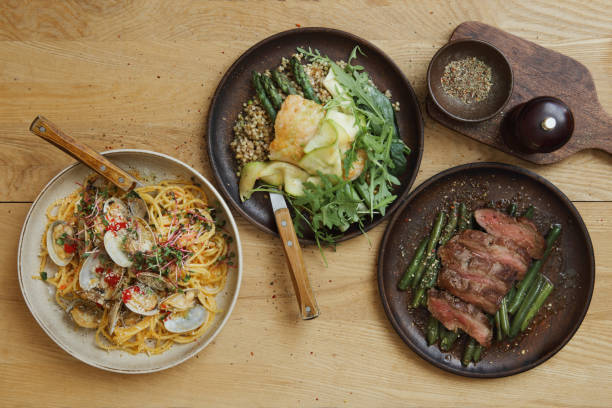
A memorable meal offers more than delicious flavors. It also delivers satisfying textures that make every bite enjoyable. French, Italian, and Japanese cuisines demonstrate how careful preparation can create harmony between taste and texture. Each culinary tradition uses distinctive ingredients and cooking methods to achieve this balance. Moreover, understanding these approaches can help home cooks prepare more appealing and satisfying dishes.
French cuisine often combines rich flavors with smooth and delicate textures. Italian cooking celebrates fresh ingredients and satisfying natural consistencies. Meanwhile, Japanese cuisine emphasizes subtle flavors and thoughtful contrasts. Although these traditions differ, they offer valuable lessons in creating balanced meals. Learning their techniques can improve everyday cooking and encourage greater creativity in the kitchen.
Understanding the Relationship Between Taste and Texture
Taste and texture work together to shape the overall dining experience. A creamy sauce can complement a crispy piece of chicken, while a fresh vegetable can provide a refreshing contrast to a rich dish. Additionally, texture influences how people experience and appreciate different flavors. Even simple ingredients become more enjoyable when cooks combine them thoughtfully.
Professional chefs consider both elements when developing recipes. They understand that a dish with excellent flavor may still disappoint if it lacks an appealing texture. Therefore, they carefully select ingredients and cooking methods that complement one another. Home cooks can follow the same approach to create meals that feel complete and satisfying.
Creating Richness and Elegance in French Cuisine
French cuisine emphasizes refined flavors and carefully developed textures. Chefs frequently use butter, cream, aromatic herbs, and flavorful stocks to create satisfying dishes. Furthermore, they apply precise cooking techniques to achieve smooth sauces, tender meats, and delicate pastries. These methods allow ingredients to develop complexity without losing their individual characteristics.
French cooking also celebrates contrasts that enhance the dining experience. For example, a traditional crème brûlée combines smooth custard with a crisp caramelized sugar topping. Similarly, roasted chicken offers tender meat beneath beautifully browned skin. These combinations demonstrate how contrasting textures can transform familiar ingredients into memorable culinary experiences.
Preserving Natural Textures in Italian Cooking
Italian cuisine highlights the natural qualities of fresh ingredients. Chefs often use simple preparation methods that preserve flavor and texture. Fresh tomatoes, quality olive oil, aromatic herbs, and regional cheeses contribute distinctive characteristics to traditional meals. Moreover, Italian cooks avoid unnecessary preparation that might diminish the natural appeal of these ingredients.
Pasta provides an excellent example of Italian attention to texture. Cooks aim for an al dente consistency that offers a slightly firm bite. Meanwhile, carefully prepared sauces complement pasta without making it excessively soft or heavy. This thoughtful balance creates satisfying dishes that celebrate simplicity while delivering rich and authentic flavors.
Achieving Harmony Through Japanese Culinary Methods
Japanese cooking places considerable importance on balance and precision. Chefs carefully prepare ingredients to preserve their natural flavors, colors, and textures. They frequently use gentle cooking methods such as steaming and simmering to maintain delicate consistencies. Additionally, traditional seasonings introduce savory depth without overpowering the main ingredients.
Japanese dishes also demonstrate the value of texture contrast. Tempura combines a light, crisp coating with tender vegetables or seafood. Similarly, sushi can feature soft rice, delicate fish, and crisp vegetables. These carefully selected combinations create enjoyable dining experiences while highlighting the natural characteristics of individual ingredients.
Using Temperature to Develop Better Flavors
Temperature management plays an essential role in achieving the right balance between taste and texture. French chefs carefully control heat when preparing sauces and cooking meats. Gentle temperatures help prevent delicate sauces from separating, while higher temperatures encourage browning. Consequently, proper heat management allows ingredients to develop richer flavors and appealing consistencies.
Italian and Japanese chefs also recognize the importance of temperature control. Italian cooks monitor boiling water and cooking times to maintain ideal pasta textures. Meanwhile, Japanese chefs carefully manage frying temperatures to produce crisp tempura. Understanding how heat affects different ingredients helps home cooks avoid common mistakes and achieve more consistent results.
Balancing Creamy, Crispy, and Tender Elements
Combining different textures creates interest and variety within a meal. French chefs often pair creamy sauces with roasted vegetables or seared meats. Similarly, Italian cooks combine soft cheeses with crusty bread or crisp vegetables. These combinations prevent dishes from feeling repetitive and encourage diners to appreciate each component.
Japanese cuisine offers additional inspiration through its thoughtful use of contrasting textures. Crisp seaweed, tender seafood, and soft rice can complement one another within a single dish. Furthermore, lightly pickled vegetables can introduce crunch and acidity to richer meals. Home cooks can apply these principles by pairing ingredients that provide complementary sensations.
Enhancing Taste Through Thoughtful Seasoning
Seasoning influences how people perceive both flavor and texture. French chefs often balance rich ingredients with lemon juice, vinegar, or wine. These acidic additions provide brightness and prevent heavy dishes from overwhelming the palate. Additionally, fresh herbs introduce pleasant aromas that enhance the overall character of a meal.
Italian and Japanese cooking traditions approach seasoning with similar care. Italian cooks frequently highlight natural flavors through olive oil, garlic, and fresh herbs. Meanwhile, Japanese chefs use miso, soy sauce, and dashi to create savory depth. Adding seasonings gradually allows home cooks to maintain balance while preserving the distinctive qualities of their ingredients.
Choosing Fresh Ingredients for Consistent Results
Fresh ingredients contribute significantly to successful flavor and texture combinations. Seasonal vegetables often provide better crispness, natural sweetness, and vibrant colors. Likewise, properly handled seafood and quality meats offer more desirable textures. Selecting ingredients carefully gives home cooks a stronger foundation for preparing delicious and balanced meals.
Proper storage also helps maintain ingredient quality. Fresh herbs can lose their aroma when cooks store them incorrectly, while vegetables may lose their crispness over time. Furthermore, purchasing appropriate quantities helps reduce waste and encourages cooks to use ingredients while they remain fresh. These simple habits support better culinary results.