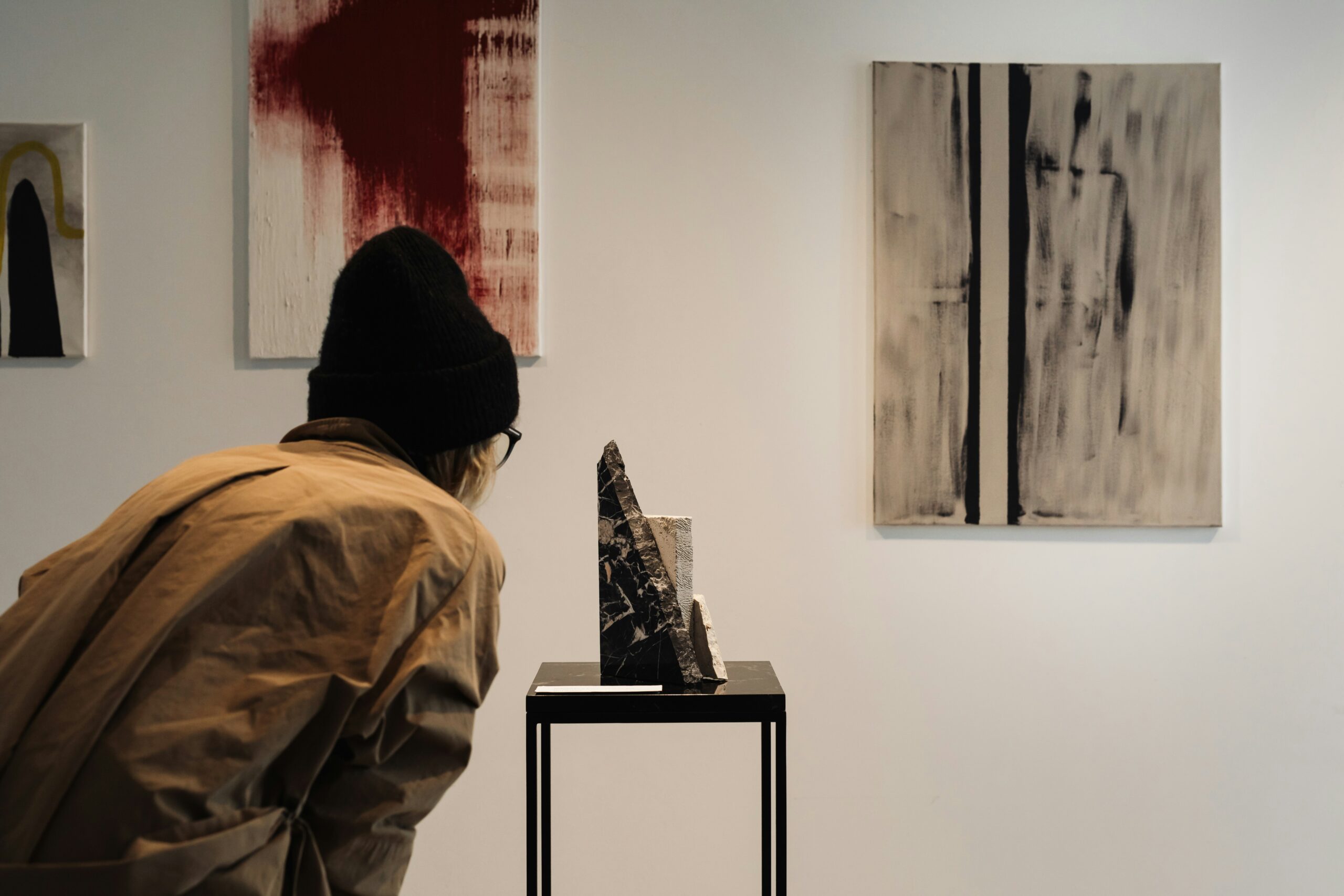
Art has always been more than a form of decoration. It represents culture, creativity, history, and personal expression. Today, many people are discovering that collecting artwork can also offer long-term financial opportunities. Through thoughtful art investment, collectors can enjoy beautiful creations while building assets that may increase in value over time. However, investing in art requires knowledge, patience, and careful planning. Understanding how the art market works, choosing the right artists, and protecting valuable pieces are essential steps toward developing a successful collection.
Understanding the World of Art Investment
Art investment refers to purchasing artwork with the hope that its market value will grow over time. Unlike traditional investments such as stocks, bonds, or real estate, art provides both financial potential and personal enjoyment. Collectors can display their purchases at home, appreciate their artistic meaning, and develop emotional connections with individual pieces.
However, the art market operates differently from financial markets. Artwork prices depend on an artist’s reputation, the rarity of the piece, its condition, historical importance, and buyer demand. Because each original artwork is unique, determining its value can be challenging. Investors must study market trends and compare previous sales before making purchasing decisions. Developing this knowledge helps collectors understand which artworks may offer long-term opportunities.
Why Art Collecting Is Becoming Popular
Art collecting attracts people for several reasons. Some individuals enjoy owning beautiful and meaningful objects, while others are interested in the possibility of financial growth. Artwork can also provide a way to diversify an investment portfolio because its pricing does not always follow the same patterns as traditional financial assets.
Another reason for its popularity is the opportunity to support talented artists. Purchasing original artwork helps creators continue their work and allows collectors to participate in the development of artistic culture. Additionally, online galleries and digital auction platforms have made art more accessible to people who cannot visit major art markets. These developments have encouraged beginners to explore collecting without needing extensive industry connections.
Exploring Different Types of Art Collections
The art market includes many categories, and each offers different opportunities for collectors. Traditional paintings remain popular because they represent established artistic styles and historical movements. Oil paintings, watercolors, and acrylic works can attract considerable attention depending on the artist and quality.
Sculptures also appeal to collectors who appreciate three-dimensional creativity. These works may use materials such as bronze, marble, wood, or glass. Meanwhile, photography and limited-edition prints offer alternatives for individuals working with smaller budgets.
Contemporary art has gained attention because it reflects modern culture and creative experimentation. Digital artwork has also introduced new forms of ownership, although buyers must carefully understand authenticity and ownership rights. Exploring these categories helps collectors identify artwork that matches their interests and financial goals.
Researching the Art Market Before Making a Purchase
Successful collectors understand that research is one of the most important parts of buying art. Before investing money, it is helpful to learn about artists, artistic movements, galleries, and historical sales records. This information provides a clearer picture of how the market values particular works.
Visiting museums, exhibitions, and art fairs can improve a collector’s ability to recognize artistic quality. Speaking with gallery professionals and experienced collectors can also provide useful insights. Furthermore, reviewing reputable auction results helps buyers understand how similar artworks have performed in previous sales.
However, past prices do not guarantee future performance. Market demand can change because of economic conditions, cultural trends, and shifting collector preferences. Careful research reduces uncertainty, but it cannot eliminate investment risk.
Choosing the Right Artists for Long-Term Value
Selecting artists is an important decision when creating an art collection. Established artists often have recognized careers, exhibition histories, and documented sales records. Their work may attract greater market attention, although purchasing pieces from famous artists can require substantial capital.
Emerging artists provide another option for collectors. These creators may offer original works at more affordable prices, allowing buyers to discover promising talent early in their careers. However, not every emerging artist will achieve lasting commercial success.
Collectors should evaluate an artist’s creative development, professional exhibitions, gallery representation, and public recognition. It is also important to choose artwork based on genuine appreciation rather than temporary popularity. A collection built around personal interest can remain rewarding even when market prices fluctuate.
Understanding the Importance of Authenticity and Provenance
Authenticity is a major factor in determining the value of artwork. Collectors need confidence that a painting, sculpture, or photograph was actually created by the artist named in its description. Purchasing counterfeit or incorrectly attributed artwork can result in serious financial losses.
Provenance refers to the ownership history of an artwork. Documents such as purchase invoices, exhibition records, certificates, and previous auction listings may help establish its background. Reliable provenance can improve buyer confidence and make future sales easier.
Before purchasing expensive artwork, collectors should consider seeking independent professional verification. They should also examine condition reports and any available restoration records. These precautions can help protect the quality and credibility of a collection.
Creating a Practical Budget for Art Collecting
A successful collection begins with a realistic budget. Beginners should decide how much money they can comfortably spend without affecting essential living expenses or financial responsibilities. Art can be difficult to sell quickly, so collectors should avoid using funds they may need in the near future.
The purchase price is only one part of the total expense. Buyers may also need to pay auction premiums, shipping charges, insurance costs, framing expenses, taxes, and professional storage fees. Understanding these additional costs helps prevent unexpected financial pressure.
Starting with affordable original works or limited-edition pieces can provide valuable experience. As collectors develop knowledge and confidence, they may gradually expand their budgets. A patient approach encourages better decisions and reduces the temptation to purchase artwork simply because it appears fashionable.
Protecting and Preserving Valuable Artwork
Proper care is essential for maintaining the physical condition and possible market value of artwork. Paintings, photographs, and sculptures can suffer damage from excessive sunlight, moisture, temperature changes, and improper handling. Collectors should understand the specific preservation requirements of each material.
For example, works on paper often require protective framing and suitable environmental conditions. Paintings may need professional cleaning or conservation, while sculptures may require specialized maintenance depending on their materials.
Insurance can also play an important role in protecting valuable collections. Specialized policies may provide coverage against certain risks, including theft, accidental damage, and transportation problems. Collectors should maintain accurate purchase records, photographs, and professional valuations to support insurance arrangements and future transactions.
Common Mistakes to Avoid When Investing in Art
Many beginners make costly mistakes by focusing entirely on possible financial returns. One common error is purchasing artwork without understanding the artist or market. Attractive promotional claims do not always reflect genuine demand or long-term value.
Another mistake is ignoring authenticity and condition. Even an appealing artwork may become difficult to sell if its ownership history is uncertain or its physical condition is poor. Buyers should examine supporting documents and request professional advice when necessary.
Some collectors also underestimate the difficulty of reselling artwork. Finding an interested buyer may take considerable time, and selling costs can reduce profits. Additionally, market preferences may change unexpectedly. Avoiding emotional purchasing decisions, unrealistic expectations, and excessive spending can help collectors develop a more disciplined approach.
Building a Long-Term Art Investment Strategy
A strong art investment strategy combines financial planning with artistic appreciation. Rather than making frequent purchases without a clear purpose, collectors should develop specific goals for their collections. These goals may involve a preferred artistic movement, a group of emerging artists, or works from a particular region.
Diversification can also be useful. Purchasing artwork from different artists or categories may reduce dependence on one market segment, although it does not remove the possibility of financial loss. Collectors should review their holdings periodically and stay informed about relevant market developments.
Patience is especially important because art markets can move slowly. Some artworks may require years to gain wider recognition, while others may never increase in value. By maintaining realistic expectations, collectors can enjoy their purchases while remaining prepared for uncertain financial outcomes.
How Technology Is Changing Art Collecting
Technology has transformed the way people discover, purchase, and manage artwork. Online galleries allow collectors to browse international collections without leaving their homes. Digital auction platforms also provide access to sales that were once limited to established art-market participants.
Social media gives artists opportunities to connect directly with potential buyers. This increased visibility can help collectors discover creative talent from different parts of the world. However, online popularity should not replace careful evaluation of artistic quality and professional credibility.
Digital collection management systems also help owners organize photographs, purchase documents, condition reports, and valuation records. These tools can simplify long-term collection management. As technology continues to develop, collectors who combine online resources with traditional research may gain a broader understanding of available opportunities.
The Future of Art as an Alternative Investment
The future of the art market will likely reflect changing cultural interests, technology, and collector preferences. Contemporary art, photography, and works by emerging artists may continue attracting interest from buyers seeking different creative perspectives.
At the same time, economic uncertainty can affect purchasing decisions. Art remains an illiquid asset, and its value can fluctuate based on demand, market confidence, and wider financial conditions. Therefore, collectors should avoid treating artwork as a guaranteed source of profit.
Education and professional guidance will remain important. Understanding artistic history, market activity, and ownership responsibilities can help buyers make better decisions. Collectors who approach artwork with curiosity and financial discipline are better positioned to navigate an evolving market.
Conclusion: Mastering the Art of Smart Collecting
Building a valuable art collection requires more than selecting attractive paintings or following popular artists. It involves understanding market conditions, researching authenticity, establishing a realistic budget, and preserving artwork carefully. A thoughtful approach to collectible art allows individuals to combine personal enjoyment with the possibility of long-term financial growth. Although investment returns are never guaranteed, careful planning can help collectors avoid common mistakes and develop meaningful collections.
Ultimately, art investment offers an opportunity to connect financial interests with creativity and cultural appreciation. Every artwork tells a story, and each carefully chosen piece can add character and meaning to a collection. By remaining patient, informed, and selective, collectors can build collections that reflect their personal tastes while creating the potential for future value.