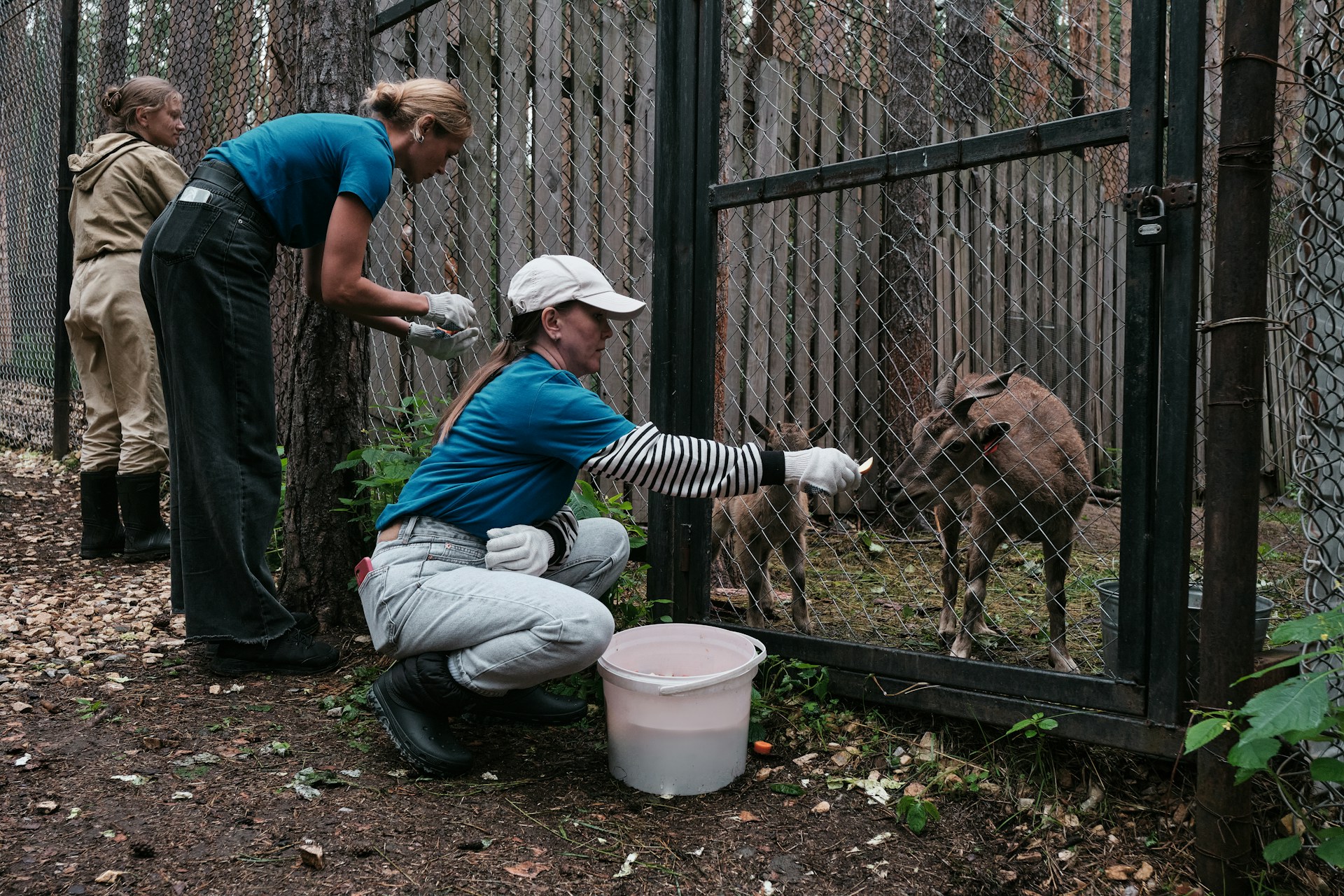
Animal welfare plays a key role in building healthier, more caring communities. Every year, countless animals face hunger, abandonment, illness, and unsafe living conditions. However, compassionate giving can improve their lives by providing essential resources, medical treatment, and opportunities for adoption. Through donations, volunteer work, and community support, individuals can help animal shelters and rescue organizations protect vulnerable pets. Moreover, thoughtful contributions can create lasting improvements in animal care while encouraging responsible pet ownership.
Understanding the Importance of Animal Welfare
Animal welfare focuses on protecting animals from unnecessary suffering while supporting their physical and emotional needs. Every animal deserves proper nutrition, safe shelter, medical attention, and compassionate treatment. Therefore, individuals and organizations must work together to create environments where animals can live healthier lives.
Animal welfare programs also address challenges such as overcrowded shelters, neglected pets, and limited veterinary resources. Many rescue organizations struggle to meet increasing demands because they depend on public donations. As a result, compassionate giving helps these organizations continue their work and reach more animals in need.
Supporting Animal Shelters Through Donations
Animal shelters provide temporary homes for abandoned, lost, and rescued pets. However, maintaining these facilities requires consistent financial support. Donations help cover food, cleaning supplies, bedding, vaccinations, and daily operating expenses. Reliable funding also helps shelters improve living conditions and provide better care.
Community members can contribute through monetary gifts, donated supplies, or organized fundraising events. For example, local businesses can sponsor adoption drives, while individuals can collect pet food and essential supplies. As a result, even small contributions can make a meaningful difference when communities work toward a shared goal.
Expanding Access to Essential Veterinary Care
Veterinary services are essential for preventing illness and treating injured animals. Unfortunately, many shelters and pet owners face financial barriers when seeking medical treatment. Therefore, donations that support veterinary assistance programs can help animals receive timely examinations, vaccinations, and necessary procedures.
In addition, charitable veterinary funds can support spaying and neutering programs, which help reduce unplanned litters and shelter overcrowding. These services also support responsible pet ownership and improve long-term animal health. By funding preventive treatment, donors can help communities address animal welfare challenges before they become more serious.
Encouraging Responsible Pet Adoption
Pet adoption gives homeless animals the chance to join safe, loving families. However, successful adoption requires more than finding an interested owner. Shelters must evaluate each animal’s health, behavior, and individual needs before placing it in a suitable home. Therefore, financial contributions help organizations prepare animals for responsible adoption.
Furthermore, adoption campaigns can educate potential owners about proper nutrition, exercise, veterinary care, and long-term responsibilities. Community fundraising can support educational materials, adoption events, and outreach programs. As a result, more people can make informed decisions and provide stable homes for rescued pets.
Strengthening Community Involvement in Animal Protection
Community participation creates stronger support systems for vulnerable animals. While financial donations remain valuable, individuals can also contribute their time and skills. Volunteers often help shelters feed, clean, socialize animals, and organize adoption events. These activities also reduce operational pressures and allow shelter staff to focus on specialized care.
Local schools, businesses, and community groups can also promote animal welfare through educational campaigns and charitable initiatives. For instance, schools can teach students about kindness toward animals, while businesses can organize fundraising partnerships. As a result, these efforts encourage compassion and build a stronger culture of responsible animal care.
Using Fundraising to Create Long-Term Improvements
Effective fundraising helps animal welfare organizations plan beyond immediate emergencies. Although emergency donations provide critical assistance, steady financial support lets shelters maintain programs and improve facilities. Therefore, recurring contributions can strengthen rescue operations and support ongoing medical care.
Additionally, organizations can build public trust by clearly explaining how they use donations. Sharing financial updates, treatment outcomes, and adoption success stories helps supporters understand the value of their contributions. As a result, transparency encourages continued involvement and creates stronger relationships between donors and animal rescue organizations.
Promoting Education and Responsible Animal Care
Education plays an essential role in preventing animal neglect and abandonment. Many welfare problems arise when owners underestimate the financial and emotional responsibilities of caring for pets. Therefore, educational programs can help families understand animal behavior, preventive healthcare, and proper living conditions.
Community workshops and awareness campaigns can also explain the importance of vaccinations, identification tags, and regular veterinary visits. These efforts encourage owners to recognize health concerns early and seek appropriate treatment. By supporting education, charitable donors can help prevent suffering and promote healthier relationships between people and animals.
Creating a Compassionate Future for Animals
Improving animal welfare requires continuous commitment from individuals, communities, and charitable organizations. While shelters and veterinary professionals provide essential services, public generosity strengthens their ability to protect vulnerable animals. Moreover, compassionate giving demonstrates that meaningful change often begins with simple acts of kindness.
Ultimately, supporting animal adoption, veterinary treatment, and rescue programs creates opportunities for healthier and safer animal lives. Every contribution, whether financial or voluntary, can support a larger mission of compassion and responsibility. By working together, communities can build a future where more animals receive the protection, care, and loving homes they deserve.