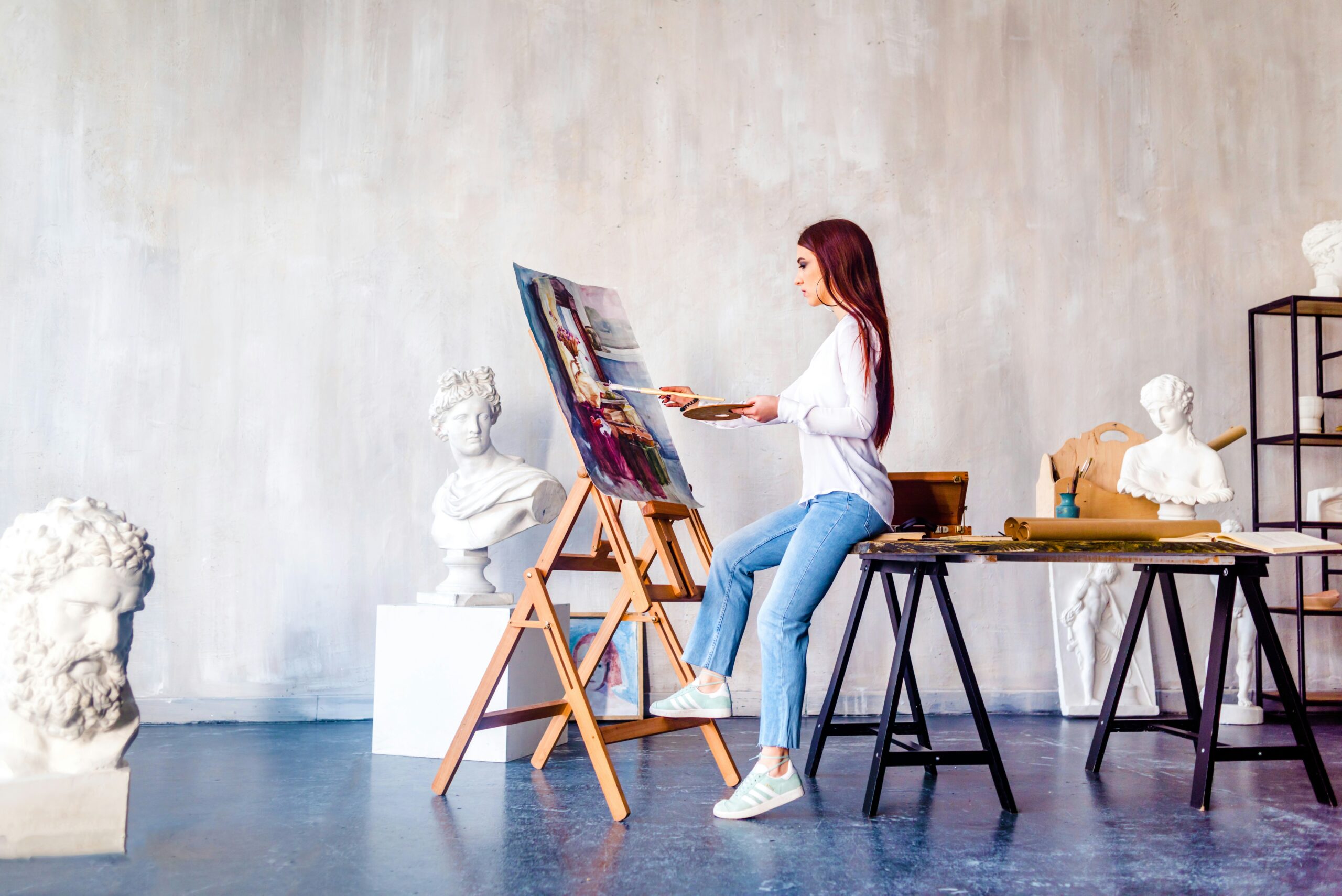
Art collecting offers a unique opportunity to combine personal taste with investment potential. For aspiring collectors, the process involves more than purchasing pieces; it requires thoughtful curation, research, and strategic decision-making. Understanding the nuances of the art market, the value of provenance, and the trends shaping contemporary collections is essential for building a meaningful and resilient portfolio. With careful planning, collectors can cultivate a collection that is both personally fulfilling and financially rewarding.
Entering the world of art collecting can be intimidating, especially for newcomers. The market is vast, spanning centuries of styles, media, and artists. Navigating this landscape successfully requires education, patience, and a commitment to ongoing learning. Aspiring collectors benefit from observing how professionals evaluate artworks, monitor market trends, and make acquisitions that balance aesthetic appreciation with long-term value. By approaching the process systematically, collectors can establish a strong foundation for their collection.
Understanding Market Dynamics
The art market operates as a complex ecosystem influenced by galleries, auctions, private sales, and online platforms. Each channel has its own characteristics, pricing strategies, and risk factors, and understanding these nuances is essential for making informed acquisitions. Market conditions, artist reputation, and collector demand all affect value, and staying informed helps aspiring collectors make strategic choices.
Engaging with art advisors, curators, and experienced collectors can provide valuable insights into these dynamics. These experts offer guidance on trends, authenticity, and valuation, helping newcomers navigate the market with confidence. Combining research with professional advice enables collectors to identify opportunities and minimize risks, ensuring each acquisition contributes to a cohesive, sustainable collection.
Defining Your Vision
Successful art collections begin with a clear vision. Aspiring collectors should consider the themes, styles, and artists that resonate with them, as well as how individual pieces contribute to the collection’s overall narrative. A well-defined vision provides direction, helping collectors prioritize acquisitions and maintain cohesion.
Defining a vision also encourages intentional collecting rather than impulsive purchases. By setting clear goals, collectors can focus on acquiring works that align with their interests and long-term objectives. This approach not only enhances the aesthetic impact of the collection but also strengthens its value and relevance over time. Strategic selection based on vision creates a collection that reflects both personal taste and thoughtful curation.
Evaluating Provenance and Authenticity
Provenance and authenticity are critical factors in art collecting. Knowing an artwork’s history, including previous owners, exhibitions, and sales records, adds credibility and value. Ensuring authenticity protects both investment and reputation, while also preserving the integrity of the collection. Aspiring collectors must exercise due diligence before committing to any purchase.
Verification often involves consulting experts, reviewing documentation, and utilizing scientific analysis of materials and techniques. These steps provide confidence in a piece’s legitimacy and help prevent costly mistakes. By prioritizing provenance and authenticity, collectors safeguard their investments and establish a collection that commands respect in both private and institutional circles.
Navigating Emerging Artists and Contemporary Trends
In addition to established works, aspiring collectors often explore emerging artists and contemporary movements. These works can offer fresh perspectives, creative innovation, and potential for appreciation over time. Identifying artists with strong conceptual depth, critical recognition, and market momentum is essential for building a collection with long-term significance.
Keeping abreast of trends requires active engagement with galleries, exhibitions, and art fairs. Observing patterns in critical reviews, collector interest, and institutional acquisitions helps collectors spot emerging talent. Strategic acquisitions in contemporary art allow collectors to diversify their portfolios and introduce dynamic, culturally relevant works into their collections.
Balancing Passion and Investment
Art collecting uniquely combines aesthetic enjoyment with financial consideration. While personal taste should guide acquisitions, understanding potential appreciation and liquidity is important for strategic collecting. Balancing passion with investment goals ensures that each piece contributes to both personal satisfaction and long-term value.
A disciplined approach includes evaluating the market context, historical significance, and scarcity of potential acquisitions. Collectors who integrate market insight with their personal vision can create a collection that provides both emotional fulfillment and financial resilience. This balance fosters a collection that evolves intentionally and gains relevance over time.
Building Relationships in the Art World
Successful collectors cultivate relationships with galleries, artists, advisors, and fellow collectors. These connections provide access to private sales, early opportunities, and insider knowledge that can enhance the collection. Strong relationships also facilitate collaboration, advice, and mentorship, enriching the collecting experience.
Networking allows aspiring collectors to learn from seasoned professionals and gain exposure to works that might otherwise be inaccessible. By actively participating in the art community, collectors deepen their understanding of the market, refine their acquisition strategies, and enhance the overall quality of their collection. Relationships in the art world are not just beneficial—they are essential for sustained success.
Maintaining and Evolving Your Collection
Art collections require ongoing care, management, and evaluation. Preservation of artworks through proper storage, conservation, and insurance ensures that pieces retain their value and aesthetic appeal. Regularly reviewing acquisitions allows collectors to refine their vision, make informed decisions about future purchases, and maintain coherence in the collection.
Evolving a collection also involves responding to market developments, emerging artists, and shifts in personal taste. Adaptability ensures that the collection remains dynamic and culturally relevant. Thoughtful management and continual reassessment transform a collection from a series of individual acquisitions into a cohesive, long-lasting legacy that reflects both the collector’s vision and the evolving art landscape.
Conclusion: Cultivating a Legacy
Curating a meaningful art collection is a journey that combines passion, education, and strategy. Aspiring collectors who invest time in understanding the market, defining their vision, and cultivating relationships are better positioned to build collections that are both personally fulfilling and financially valuable. Each acquisition becomes part of a larger narrative, reflecting taste, insight, and foresight.
Ultimately, successful art collecting requires a commitment to thoughtful curation and ongoing learning. By prioritizing authenticity, market awareness, and strategic acquisition, collectors can develop portfolios that endure over time. A well-curated collection offers not only aesthetic enjoyment but also a legacy of cultural and financial significance, allowing collectors to leave a lasting mark in the art world.