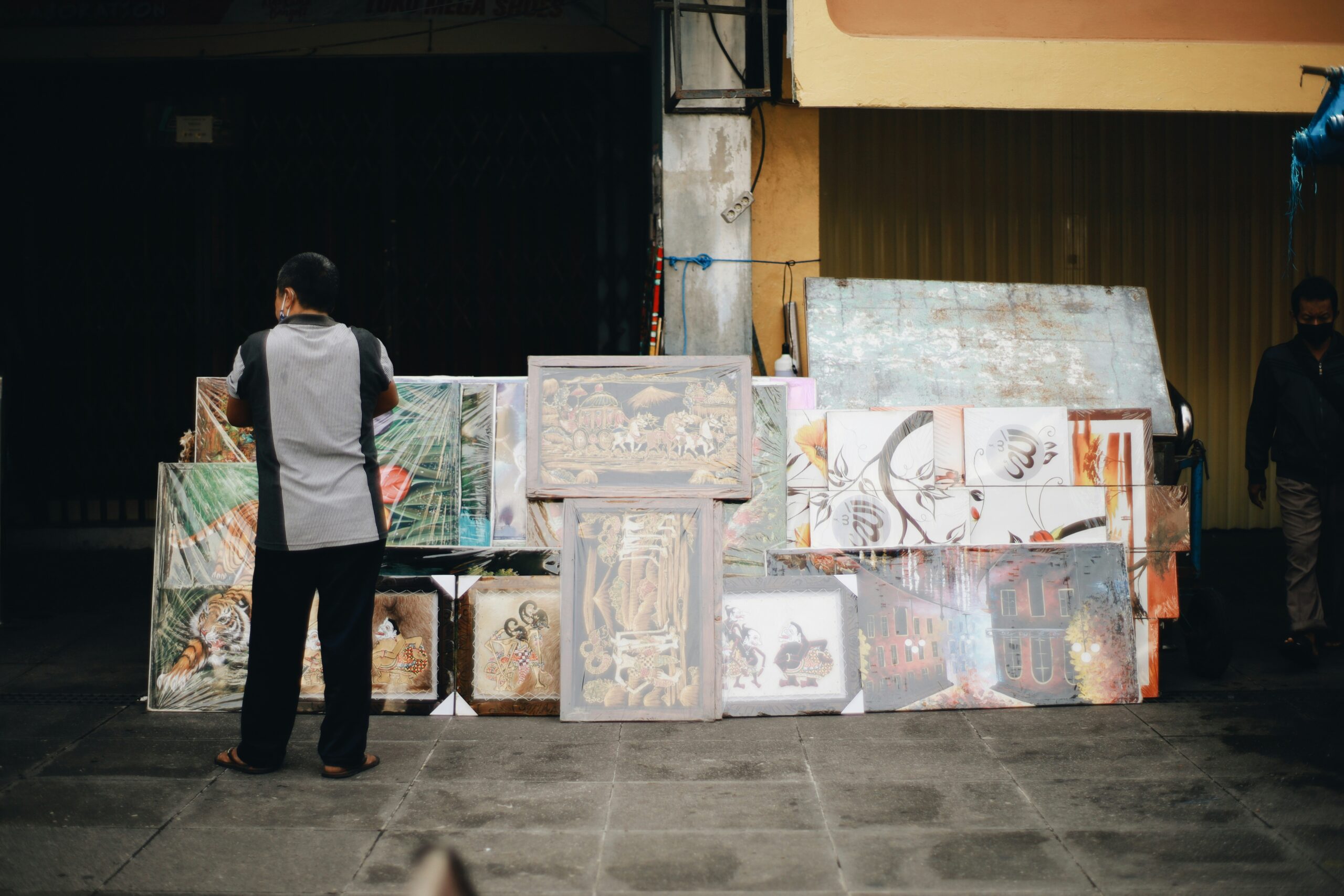
The Art Investment Market has grown into a dynamic space where creativity meets capital, and today, more investors see art as both a passion and a profit. As global wealth expands and alternative assets gain attention, collectors now look beyond stocks and real estate. Instead, they explore paintings, sculptures, photography, and digital works as long-term stores of value. Therefore, understanding how the Art Investment Market works can help you protect wealth, manage risk, and build a collection that grows in both financial and cultural value.
Understanding the Structure of the Art Investment Market
The Art Investment Market runs on reputation, scarcity, and informed demand. Unlike public equities, art does not trade on a central exchange. Instead, galleries, dealers, private brokers, and auction houses drive transactions. As a result, pricing often depends on relationships and timing. When a respected gallery promotes an artist or a major museum hosts a solo show, demand can rise quickly. Consequently, early investors may see strong appreciation.
The market divides into primary and secondary sectors. The primary market includes works sold for the first time, often through galleries that represent the artist. Meanwhile, the secondary market handles resales through auctions or private dealers. Each sector offers different advantages. Primary sales may offer lower prices and stronger artist support, while secondary sales provide public pricing data and sales history. Therefore, serious investors study both segments before making decisions.
Key Drivers of Value in the Art Investment Market
Several factors influence value in the Art Investment Market. An artist’s reputation stands at the center. If collectors, critics, and institutions respect an artist, demand often increases. In addition, a limited supply strengthens pricing power. When an artist produces a small body of high-quality work, scarcity can push values higher. Therefore, understanding an artist’s production volume helps investors assess long-term potential.
Market validation also shapes pricing trends. Museum acquisitions, biennial participation, and major gallery representation signal credibility. Furthermore, strong auction performance reinforces demand. When multiple bidders compete for the same work, prices can exceed estimates. As a result, investors often track repeat sales data to measure steady growth rather than rely on single headline results.
Research Strategies for Smart Art Investors
Success in the Art Investment Market starts with deep research. First, analyze the artist’s career timeline. Look at education, awards, exhibitions, and press coverage. If reputable critics and curators support the work, confidence increases. Moreover, review auction databases to study historical price movements. Consistent upward growth often indicates stable demand rather than speculation.
Provenance and condition also require close attention. A clear ownership record builds trust and supports resale value. Therefore, always request documentation that traces prior collectors and galleries. Additionally, inspect condition reports carefully. Even minor restoration issues can impact future returns. By verifying authenticity and physical state, investors reduce risk and strengthen long-term performance.
Financial Planning Within the Art Investment Market
The Art Investment Market requires strategic financial planning. Art should represent a portion of a diversified portfolio rather than the entire strategy. Many advisors suggest allocating a small percentage of total assets to alternative investments. As a result, investors gain exposure to potential upside while limiting overall risk. Careful budgeting also prevents impulsive buying.
Holding costs must also be factored in. Insurance, storage, transportation, and conservation services add ongoing expenses. Furthermore, auction houses charge seller commissions, reducing net profit. Therefore, calculate the total costs before purchasing a work. By planning, investors maintain realistic expectations for returns and protect the overall portfolio’s health.
Risk Management in the Art Investment Market
Risk remains a central concern in the Art Investment Market. Taste shifts can impact demand, especially for emerging artists. However, diversification reduces exposure. Instead of focusing on a single trend, build a collection spanning different styles, mediums, and career stages. Consequently, market changes will not harm the entire portfolio at once.
Liquidity also presents challenges. Selling art often takes time, especially in slower markets. Therefore, investors should prepare for long holding periods. In addition, avoid relying on art for immediate cash needs. By viewing art as a long-term asset, collectors align expectations with realistic market behavior and reduce financial stress.
The Impact of Globalization on the Art Investment Market
Global wealth growth has significantly expanded the Art Investment Market. Collectors from North America, Europe, Asia, and the Middle East compete for top works. As a result, international demand strengthens pricing for established artists. Art fairs and global auctions allow buyers to participate from anywhere. Consequently, market access has become more inclusive and competitive.
Cultural exchange also shapes trends within the Art Investment Market. Artists from emerging regions now gain global recognition through international exhibitions. Therefore, investors who track cross-border movements may identify promising opportunities early. By studying regional market growth, collectors can position themselves ahead of major shifts in demand.
Technology and Data in Modern Art Investing
Technology has transformed the Art Investment Market in recent years. Online viewing rooms, digital catalogs, and virtual auctions provide instant access to inventory and pricing data. As a result, investors can compare works and analyze trends without geographic limits. Transparency has improved, which supports more informed decision-making.
Data analytics also offer valuable insight. Repeat sales indexes track performance over decades, helping investors measure long-term appreciation. Meanwhile, blockchain systems improve ownership tracking for digital and physical works. These innovations increase trust and reduce fraud risks. Therefore, technology continues to reshape how participants engage with the Art Investment Market.